
Hear from Our Customers
You can’t fix what you can’t see. That musty smell in the basement, the discoloration behind the water heater, the allergies that won’t quit—these aren’t things you should guess about.
A real mold inspection tells you if you have a problem, where it’s coming from, and what type of mold you’re dealing with. Not all mold is the same. Some species are relatively harmless. Others, like black mold, can trigger serious respiratory issues and require immediate attention.
Here’s what changes after proper testing: you stop wondering. You know if that water damage from last winter left something behind. You know if those symptoms your kids are having are related to air quality. You know what remediation actually needs to happen—and what doesn’t.
In Wrightstown, where home values average nearly $600,000, a mold problem that goes undetected can slash your property value by 20-30%. Buyers walk away. Lenders require inspections. Insurance gets complicated. Testing early means you control the situation instead of discovering it during the worst possible moment—like right before closing.
We’ve served Bucks County for over 27 years. We’re not a national franchise following a script. We’re local, certified, and we understand how Pennsylvania’s humid summers and unpredictable weather create the exact conditions mold loves.
Wrightstown homes—many of them larger, older properties—have unique vulnerabilities. Finished basements. Complex HVAC systems. Additions built decades apart. We’ve inspected hundreds of homes just like yours.
We use lab-grade testing, not gimmicks. Our process follows EPA guidelines and IICRC standards. Every inspection includes visual assessment, moisture mapping, air sampling, and when needed, surface sampling analyzed by microbiologists. You get a detailed report that explains what we found, what it means, and what happens next.
First, we walk through your property and talk. You tell us what you’ve noticed—smells, stains, health symptoms, water issues. We’re looking for visible mold, but also the conditions that let it grow: moisture, poor ventilation, previous water damage.
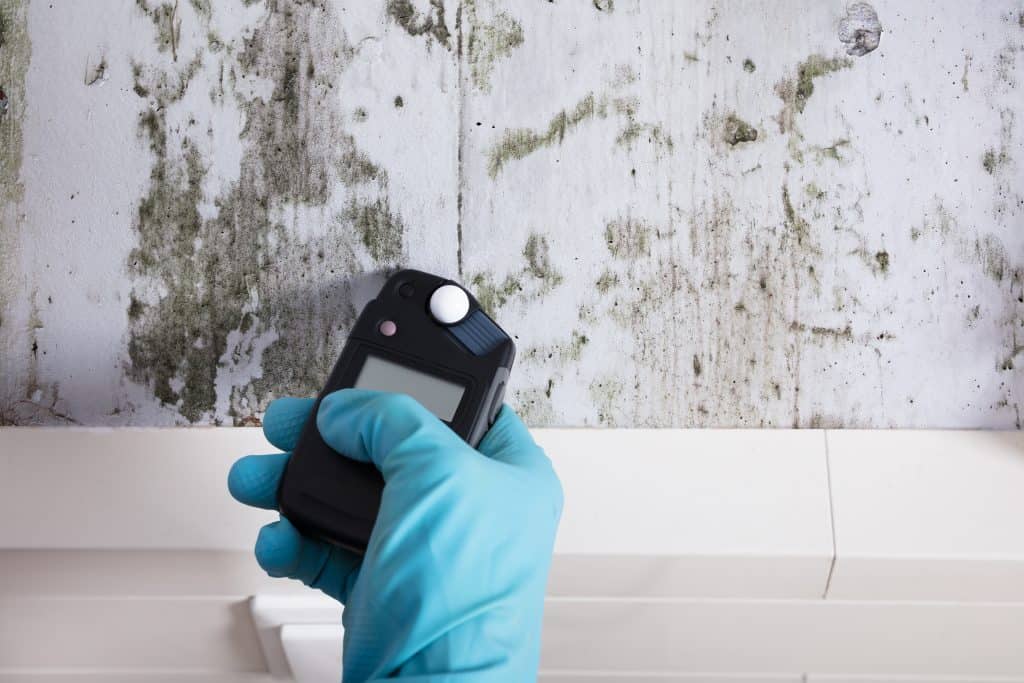
Next, we use moisture meters and thermal imaging to find hidden water sources. Mold doesn’t grow without moisture. If we find elevated moisture levels in walls, floors, or ceilings, that tells us where to look closer.
Then comes air sampling. We test the air in multiple rooms and compare it to an outdoor control sample. This shows us if your indoor air has elevated mold spore counts and what types of mold are present. If we see visible growth or suspicious areas, we’ll take surface samples too.
All samples go to an independent lab where microbiologists identify and count the spores. Within a few days, you get a full report. It explains what species were found, whether the levels are concerning, and what the likely sources are. We walk you through it in plain language—no jargon, no upselling.
If remediation is needed, we’ll explain the scope and cost. If it’s minor, we’ll tell you that too. The goal is accurate information, not inflated invoices.
Ready to get started?
Every mold testing appointment includes a complete visual inspection of your home—attics, basements, crawl spaces, bathrooms, kitchens, and any area with past water damage. We check behind appliances, under sinks, around windows, and inside HVAC systems.
You also get moisture detection using professional-grade meters. We map out where moisture is present, even if it’s hidden. This is critical in Wrightstown, where Pennsylvania’s 5-10% increase in precipitation over recent years means more homes are dealing with humidity issues, roof leaks, and foundation seepage.
Air quality testing is standard. We collect samples from multiple rooms to measure airborne mold spore levels and types. The lab analysis identifies specific species—including toxic varieties like Stachybotrys (black mold)—and compares your indoor air to outdoor baselines.
If needed, we’ll also do surface sampling from visible growth or suspicious stains. This confirms whether discoloration is actually mold and what kind it is. Some stains aren’t mold at all. Others are aggressive species that need fast action.
After testing, you receive a detailed report with lab results, photos, findings, and recommendations. We explain what the numbers mean, whether your levels are normal or concerning, and what steps make sense for your situation. No pressure. Just facts.
Most residential mold inspections in Wrightstown start around $300 and go up depending on your home’s size and the scope of testing needed. That typically includes a full visual inspection, moisture detection, and at least two air samples with lab analysis.
Larger homes or properties with multiple problem areas may cost more—usually in the $400-$700 range. If you need extensive surface sampling or testing in hard-to-reach areas like crawl spaces, that can add to the total. But you’ll know the cost upfront before we start.
Here’s the thing: a $300-$500 inspection can save you thousands. Catching mold early—before it spreads through your HVAC system or into wall cavities—means smaller remediation costs and no long-term damage to your home’s structure or value. Skipping the test and hoping the problem goes away? That’s how a $2,000 fix becomes a $15,000 nightmare.
If you’ve had any water damage in the last year—leaks, floods, burst pipes, roof damage—you should test. Mold starts growing within 24-48 hours of water exposure. Even if you dried things out, mold can still be growing inside walls or under flooring.
You should also test if anyone in your home is experiencing unexplained respiratory symptoms: coughing, wheezing, sneezing, itchy eyes, skin rashes, or worsening asthma. Mold doesn’t always smell musty or show visible growth, but it still affects air quality.
Other red flags: musty odors that won’t go away, discoloration on walls or ceilings, peeling paint, warped floors, or condensation on windows. If you’re buying or selling a home in Wrightstown, testing is smart—it protects both parties and prevents deal-killing surprises during closing. Lenders often require it for government-insured loans anyway.
Home test kits are mostly unreliable. The settling plates they use will always grow mold—because mold spores are everywhere. But they don’t tell you if the levels in your home are actually problematic or just normal background amounts.
They also can’t identify mold species. That matters because not all mold is dangerous. Some types are common and harmless. Others, like Stachybotrys (black mold), produce mycotoxins that can cause serious health issues. A $20 kit from the hardware store won’t tell you the difference.
Professional mold testing uses calibrated air sampling equipment and lab analysis by microbiologists. We compare your indoor air to outdoor baselines, measure spore counts, and identify specific species under a microscope. That’s the only way to know if you have a real problem or just normal environmental mold. If you’re making decisions about remediation or your family’s health, you need accurate data—not guesswork from a DIY kit.
Aspergillus is the most common indoor mold we find in Bucks County. It thrives in Pennsylvania’s humid climate and shows up in damp areas like basements, bathrooms, and around leaky windows. Most Aspergillus species are relatively harmless, but some can trigger allergies or cause infections in people with weakened immune systems.
Stachybotrys chartarum—black mold—is less common but more concerning. It grows on water-damaged materials like drywall, wood, and insulation. It produces mycotoxins that can cause respiratory problems, chronic fatigue, and other health issues. If we find black mold, remediation should happen quickly.
Cladosporium and Penicillium are also frequent in homes here. Cladosporium grows on fabrics, wood, and in HVAC systems. Penicillium loves water-damaged carpets and wallpaper. Both can cause allergic reactions and respiratory symptoms. The key is identifying what you’re dealing with through lab testing—then addressing the moisture source so it doesn’t come back.
Most residential mold inspections take 1-3 hours depending on your home’s size and layout. We’re thorough—checking every room, crawl space, attic, and area where moisture or mold might hide.
During that time, we’ll conduct a visual inspection, use moisture meters to scan walls and floors, take air samples from multiple rooms, and collect surface samples if needed. We’ll also take photos and notes for your report.
You’ll get preliminary observations on-site, but the full lab results take a few days. The lab needs time to culture samples, identify mold species, and count spore levels. Once we have the analysis back, we’ll send you a detailed report and walk through the findings with you. If remediation is needed, we can usually start within a few days of receiving results.
Testing itself doesn’t hurt your value—ignoring a mold problem does. Homes with untreated mold can lose 20-30% of their market value. Buyers get scared off. Inspectors flag it. Lenders require remediation before approving loans.
If you test and find mold, yes, you’ll need to address it before selling. But here’s the upside: a home with documented testing and professional remediation is actually more attractive than one with no testing history. It shows you took care of problems instead of hiding them.
In Wrightstown’s high-value market, transparency matters. Buyers are paying premium prices—they expect premium condition. Proactive testing and remediation prove your home is well-maintained. It builds confidence and protects the deal from falling apart during the buyer’s inspection. If you’re selling, test early so you control the timeline and the narrative. If you’re buying, always test before closing—it’s the only way to know what you’re actually purchasing.
Other Services we provide in Wrightstown